Phone in Hand, Eyes on Screen: Is Your Second Device Killing the Show or Making It Way More Fun?
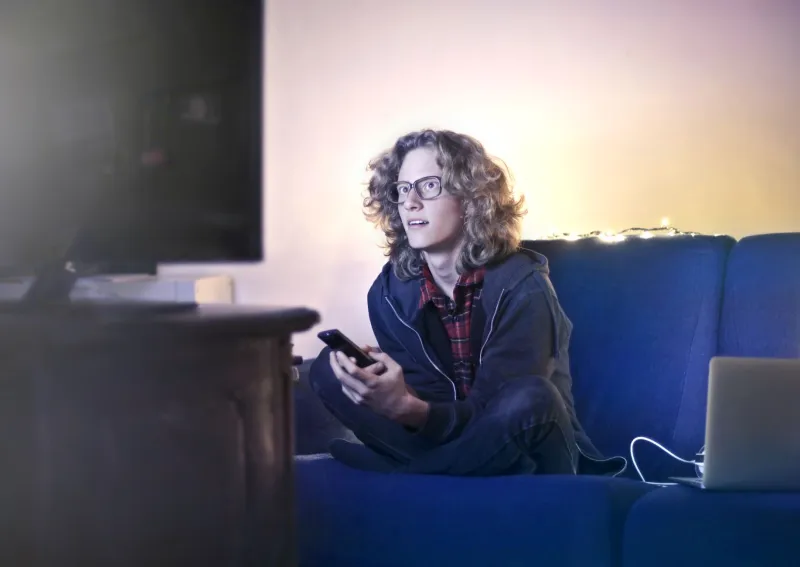
Be honest. When was the last time you watched a show — really watched it — without your phone sitting face-up next to you? No Twitter. No Reddit. No texting your friend a string of increasingly unhinged reaction emojis. For most Americans right now, the answer is probably "I can't even remember." The second screen isn't a habit anymore. It's practically part of the furniture.
And depending on who you ask, that's either the greatest evolution in TV culture since the DVR, or it's quietly destroying the thing we all claim to love about television in the first place.
What We're Actually Talking About
The "second screen" experience basically means using a phone, tablet, or laptop while watching TV — specifically to engage with real-time commentary, fan theories, live-tweet threads, Reddit episode discussions, or just general chaos surrounding whatever's airing. It exploded during the peak prestige TV era, when shows like Game of Thrones and Breaking Bad had Reddit threads running hotter than the episodes themselves. But it didn't go away when those shows ended. If anything, it got louder.
Reality TV supercharged it. Survivor, The Bachelor, Love Island — these shows practically require a second screen to fully experience. Half the entertainment isn't even on the TV. It's in the live-tweet pile-on when someone makes a terrible rose ceremony decision, or the Reddit thread where superfans have already figured out who got eliminated based on filming location Instagram posts from three months ago.
For a certain kind of viewer, that surrounding noise isn't a distraction. It's the whole point.
The Case for the Chaos
Here's the thing defenders of second-screening will tell you: television has always been a communal experience. The water cooler conversation the next morning at work? That was the original second screen. What's changed is the timeline — now the conversation happens while the episode airs, and literally millions of people are in it together.
There's something genuinely exciting about watching a jaw-dropping plot twist and immediately seeing thousands of strangers lose their minds about it in real time. It amplifies the emotional experience in a way that sitting alone in a quiet room just doesn't. Fan communities catch details you missed, offer readings you'd never have considered, and occasionally make a mid-tier episode feel like a cultural event just through sheer collective energy.
Casual viewers especially benefit. Not everyone has the bandwidth to catch every subplot or remember which character said what three seasons ago. A quick scroll through the episode thread fills in gaps, provides context, and honestly makes the whole thing more accessible — not less.
The Case Against It
But here's where it gets uncomfortable. A lot of us aren't just glancing at our phones. We're deep in a Reddit thread while the show is actively happening on the TV we supposedly turned on to watch. And at some point, that stops being enrichment and starts being avoidance.
Writers, directors, and editors spend enormous amounts of time crafting pacing, silence, visual storytelling — stuff that only works if you're actually paying attention. A slow, tense scene designed to make your chest tight? Completely defused if you're reading someone's hot take about the last episode. The second screen doesn't just split your attention. Sometimes it actively works against the show's intent.
There's also the spoiler problem. Live-tweet culture moves fast. If you're watching on a slight delay — even fifteen minutes — your second screen has already told you what happened. The shock value that a show spent an entire season building toward just got casually dropped in a meme before the scene even aired for you.
And then there's the more uncomfortable truth: sometimes we reach for the phone not because the show is giving us something to react to, but because it isn't. The second screen has become a coping mechanism for television that doesn't quite hold our attention on its own. Which raises a fair question — is the show the problem, or are we?
Networks Aren't Ignoring This — They're Designing for It
Here's the part that might genuinely surprise you: the people making your favorite shows are completely aware of the second screen, and some of them are building around it on purpose.
Reality competition shows now structure eliminations and cliffhangers specifically around the moments most likely to generate social media spikes. Streaming platforms track not just viewership numbers but social engagement, using it as a metric for renewal decisions. Some networks have even experimented with companion apps and second-screen content — bonus footage, cast commentary, interactive polls — designed to run simultaneously with episodes.
The Masked Singer is a near-perfect example of a show engineered for second-screen engagement. The guessing game format is almost more fun on Twitter than on your actual TV, and the producers know it. The show doesn't fight the second screen. It treats it as part of the product.
Dramatic prestige shows are a different story. Showrunners working on serialized, emotionally complex narratives have started quietly pushing back. Some have spoken in interviews about deliberately structuring episodes to demand attention — using long takes, minimal dialogue, and sound design that rewards viewers who aren't half-reading a Reddit thread. Whether that's artistic integrity or a losing battle against modern attention spans depends on your level of optimism.
So Which Is It?
Honestly? Both. The second screen makes some shows genuinely better — more social, more layered, more fun to talk about in the moment. And it makes other shows worse, pulling you out of experiences that were designed to be immersive and a little uncomfortable.
The real question isn't whether second-screening is good or bad. It's whether you're doing it intentionally or just reflexively. There's a difference between pulling up a fan thread because you want to be part of the conversation and picking up your phone because the show lost you and you don't want to admit it.
Maybe the move is knowing which kind of show you're watching before you decide where to put your phone. Some television is built for the chaos. Some of it just needs you to sit with it for a while.
Either way, you're probably going to check Twitter during the next episode. We all are. At least now you know why.