Cancelled Years Ago, Blowing Up Right Now: How Dead Shows Are Finding Their Biggest Audiences Ever
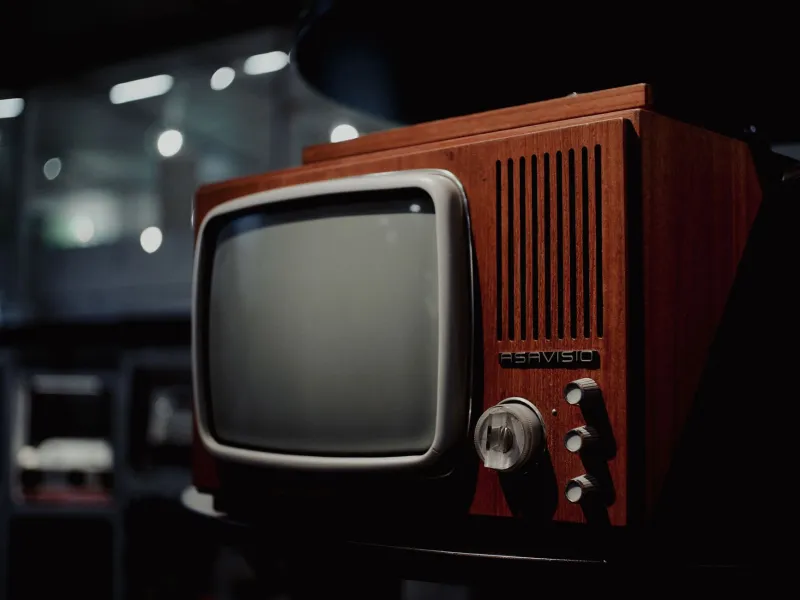
Picture this: a show gets cancelled after two seasons. Low ratings, maybe some behind-the-scenes drama, a network that didn't quite know what to do with it. The cast moves on. The writers scatter. Fans are bummed but eventually accept it.
Then, five years later, a 22-year-old in Ohio makes a TikTok about it. Then another person makes one. Then someone does a deep-dive YouTube video that gets three million views. Then a whole community materializes out of nowhere, people who weren't even watching TV when the show originally aired, absolutely obsessed with something that officially doesn't exist anymore.
This is happening constantly right now. And it's completely reshaping what the word "success" even means for a television series.
The Graveyard Is Actually a Garden
For most of TV history, cancellation was the end. Sure, a cult following might persist — people who'd tape episodes and trade VHS copies, fanfic communities that kept the flame alive on early internet forums. But the audience was self-contained. It didn't grow. It just... maintained.
Social media changed the math entirely.
Platforms like TikTok operate on discovery logic that has nothing to do with when something was made or whether it's currently airing. An algorithm doesn't care that a show was cancelled in 2011. If a clip is funny, or emotionally resonant, or just weird enough to stop the scroll, it gets pushed. And once it gets pushed to the right person — someone with an audience, someone who makes content — the whole thing can snowball in ways nobody planned for.
Shows that spent years in quiet obscurity are suddenly trending. Cast members who'd moved on to other careers are getting recognized in airports again. Writers who figured a project was dead are fielding calls from their agents.
Case Studies in Posthumous Fame
Let's talk specifics, because the abstract version doesn't capture how genuinely strange and exciting this phenomenon is.
Push, Pop, Crash — a quirky animated series that aired briefly on a mid-tier cable network around 2009 — had a modest fanbase when it was cancelled after one season. For years, it existed mainly in the memories of people who'd caught it by accident as kids. Then, around 2022, a series of TikTok videos started circulating that highlighted the show's surprisingly sophisticated humor and ahead-of-its-time visual style. Within months, clips were everywhere. Fan art exploded. A Reddit community that had maybe 800 members jumped to over 40,000. The show's original creator, who had largely left the industry, suddenly had a very full inbox.
That pattern — obscurity, a social media ignition point, rapid community growth — plays out over and over again across different genres and eras.
Live-action dramas are doing it too. Shows that were critically appreciated but commercially underwhelming during their original runs are finding massive new audiences when they land on YouTube or get picked up by international platforms. In some cases, the international audience dwarfs what the show ever pulled domestically. A series that averaged 800,000 viewers on American cable might have ten million people watching it in Southeast Asia five years after it ended, with zero marketing spend from anyone.
What Fans Are Actually Building
The community angle here is genuinely fascinating and it's something the entertainment industry is still figuring out how to process.
When a show develops a posthumous fanbase, that community doesn't just passively consume the old episodes. They create. Extensively. Fan edits, recut trailers, analysis videos, alternate ending concepts, full-length fanfiction. Some of it is remarkably high quality — there are fan-made "season three" scripts for cancelled shows that are better written than a lot of stuff that actually makes it to air.
This creative output serves a dual purpose. It keeps the show alive in the cultural conversation, which attracts new viewers, which grows the community further. It's a self-sustaining loop that nobody at a network built or paid for.
It also puts real pressure on studios and platforms. When a show has a hundred thousand engaged, vocal, creative fans demanding a revival — fans who didn't exist when the show was actually cancelled — the calculation changes. Revival campaigns that would have been dismissed as wishful thinking a decade ago now have actual leverage. Petitions get signatures. Hashtags trend. The noise is real and measurable.
Some of those campaigns work. Not all of them, and not always in the ways fans hoped, but the track record is better than it used to be. Platforms are paying attention to what's generating organic buzz, and a cancelled show with a suddenly massive online community is a much easier pitch than a brand-new concept nobody's heard of.
The Career Resurrection Factor
Here's a wrinkle that doesn't get talked about enough: what posthumous success does to the people who made the show.
Actors who appeared in a cancelled series often don't expect it to define much of their legacy. They move on, take other roles, build careers around other things. Then the show blows up on TikTok and suddenly they're fielding a completely different kind of fan interaction — younger, more intense, more digitally engaged than anything they experienced during the original run.
For some, it's a genuine career boost. New audiences discovering old work can translate to renewed interest in whatever they're doing now. For others, it's a strange kind of time warp — being celebrated for something you did ten or fifteen years ago, by people who experience it as completely current.
Writers and directors sometimes have an even more complicated relationship with it. Seeing work you thought was finished being reexamined and celebrated is gratifying. But it also reopens questions about what the show could have been with more time, more support, more episodes. The revival conversation is exciting and a little painful at the same time.
Redefining What 'Success' Even Means
All of this points to a fundamental shift in how we should probably think about a show's success or failure.
The old model was simple: ratings during the original run, maybe DVD sales afterward. If those numbers didn't work, the show failed. Full stop.
That model doesn't hold anymore. A show that "failed" by 2010 standards might be reaching more people right now, in 2024, than it ever did during its actual broadcast window. The audience it built posthumously might be more passionate, more engaged, and more creatively invested than the one it had when it was technically alive.
Is that failure? It doesn't feel like failure. It feels like something the industry doesn't have a word for yet.
What's clear is that cancellation isn't the ending it used to be. For the right show — something with a genuine point of view, a distinctive voice, something that resonates even when the platform that originally aired it is long gone — the story doesn't end when the network pulls the plug.
Sometimes it's just getting started.