The Show Dropped Friday. By Sunday, the Internet Already Decided If It Was Good

Remember when a show could just... exist for a little while before the internet had a take on it?
That window is basically gone now. A new series drops on a Friday, and by Sunday night, a fifteen-second clip is sitting at two million views on TikTok, three think-pieces have already been published, and the comment sections on every platform have already split into opposing camps. Half the people weighing in haven't watched the show. Some of them never will. And yet the cultural narrative around it is already more or less set.
This is the 72-hour rule — not an official industry term, just an accurate description of how modern entertainment discourse actually works. The first viral moment doesn't just shape opinion. It often is the show's entire cultural legacy, regardless of what happens in hours two through eight.
The Promotional Cycle Used to Take Months
Not that long ago, a television show's rollout looked completely different. You'd get a trailer in the fall for something airing in January. Critics would receive screeners weeks in advance. Reviews would drop the morning of the premiere. Audiences would watch, talk to coworkers about it Monday morning, and the conversation would build gradually over several weeks.
That model is functionally extinct for anything released on a major streaming platform.
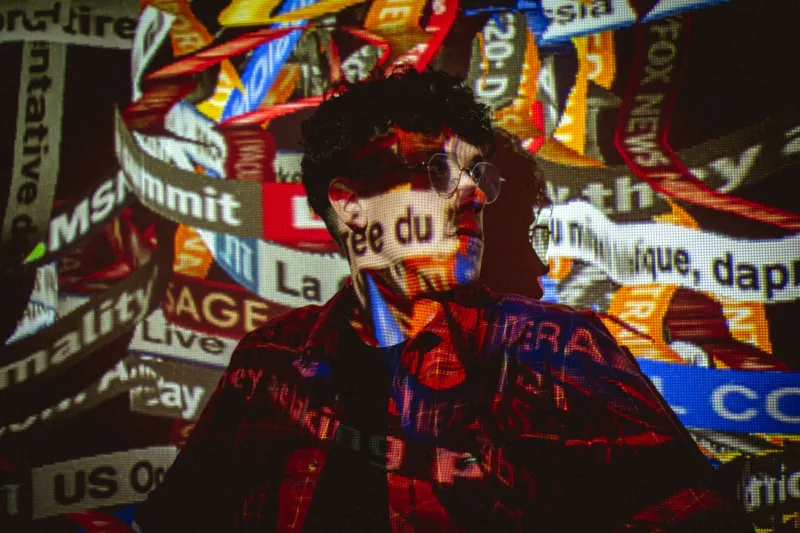
The new cycle runs faster than most people in traditional entertainment ever anticipated. A streaming platform drops a show at midnight. By 6 a.m., early viewers are already posting reactions. By noon, a specific moment — a line of dialogue, a visual gag, a shocking plot beat — has been clipped and is circulating. By the end of the first day, that clip has been stitched, dueted, and responded to thousands of times. By Sunday, the consensus has calcified.
The show hasn't even finished its first weekend of availability, and the discourse is already in the rear-view mirror.
What Gets Clipped Isn't Always What's Good
Here's where it gets complicated for the people actually making television.
The moments that go viral aren't necessarily the ones that make a show great. They're the ones that work in fifteen seconds with no context, that land as a reaction image, that have a quotable line or a dramatic visual that reads without explanation. Quiet, character-driven storytelling — the stuff that critics often love most — rarely produces a viral clip. It produces a feeling that builds over episodes, and that's not clippable.
So what happens when the people financing and greenlighting content start paying attention to what goes viral? What happens when writers' rooms are, consciously or not, building scenes that are optimized for the clip rather than the episode?
Industry insiders have been quietly discussing this for a couple of years now. The concern isn't theoretical anymore. There are shows that feel structurally engineered to produce shareable moments at regular intervals — emotional peaks timed like pop song hooks, designed to hit at the exact point where someone is likely to hit the share button. Whether that makes for better or worse television depends on what you think television is for.
The Renewal Math Has Changed
Here's something the average viewer doesn't always realize: streaming platforms don't just use viewership numbers to decide what gets renewed. Social engagement is part of the calculation.
A show that gets watched by 20 million people but generates minimal social conversation is, in some ways, less valuable to a platform than a show watched by 12 million people that dominates Twitter and TikTok for a week. The latter show is advertising itself. It's driving subscriptions. It's creating cultural relevance that translates into brand value.
That means shows are being evaluated partly on their ability to generate discourse, not just viewers. And if discourse is generated primarily in the first 72 hours, then a show that doesn't produce a viral moment in its opening weekend is already operating at a structural disadvantage, regardless of how good episodes four through seven might be.
Some showrunners have started front-loading their strongest material specifically to survive this window. Others are frustrated by it. A few have spoken publicly about the pressure to make something that "works on TikTok" as a prerequisite for being greenlit at all.
The Audience That Forms the Narrative Isn't Always the Audience That Watches
One of the stranger dynamics of the 72-hour cycle is that the people shaping a show's reputation often aren't its core audience. A clip going viral means it's reaching people who don't watch the show, who may have no interest in the show, but who have very strong feelings about the fifteen seconds they just saw.
This creates a weird inversion where a show's public narrative gets written by its most peripheral audience. The people who actually watched all eight episodes and have nuanced thoughts about the character development are competing for cultural airspace with people who watched a clip and formed an immediate reaction.
The clip-watchers aren't wrong for having opinions. But the result is a discourse environment where depth is consistently outcompeted by immediacy.
Does It Actually Change What Gets Made?
Short answer: yes, probably, though nobody in a position of power will say so directly.
The longer answer is that it's complicated. Great television still gets made. Slow-burn dramas still find audiences. Not everything is being engineered for virality. But the incentive structure has shifted in ways that are hard to ignore, and those shifts tend to accumulate over time into something that looks like a genre preference — or a format preference — even when nobody explicitly decided to change direction.
The 72-hour window isn't going away. If anything, it's getting shorter. The conversation moves faster every year, and the shows that survive in the discourse are the ones that figured out how to feed it. Whether that's good for television as an art form is a genuinely open question — and one that's worth asking before the algorithm decides for us.