Don't You Dare Tell Me: How Spoilers Became America's Biggest Online Turf War
Don't You Dare Tell Me: How Spoilers Became America's Biggest Online Turf War
It used to be simple. Your coworker caught the game on Sunday, you didn't, and you politely asked them to zip it until you watched the replay. Done. No drama. Fast forward to now, and that same casual courtesy has exploded into one of the most reliably heated arguments the internet produces on a weekly basis.
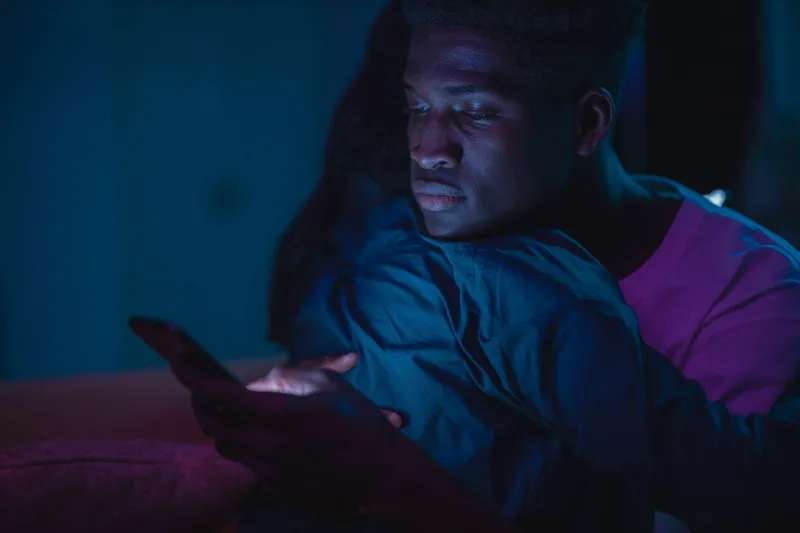
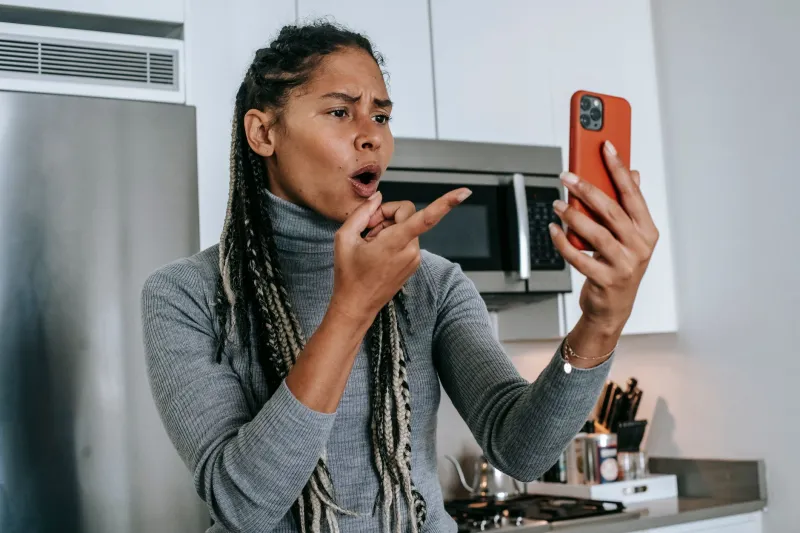
Somebody tweets a plot twist three minutes after a finale drops. Someone else posts a reaction video with the ending visible in the thumbnail. A Reddit thread title gives away the whole thing before you even click. And just like that, months of anticipation — gone. The rage that follows? Completely unhinged. And honestly? Completely understandable.
Spoilers aren't just annoying anymore. For a lot of people, they feel like a genuine violation. But for just as many others, the whole concept of "you owe me silence" has become insufferably entitled. Welcome to the Spoiler Wars. Population: everyone online.
How We Got Here
Back before social media, spoiler culture was relatively contained. Movie reviews had unwritten rules. Entertainment journalists knew not to blow the big twist in the headline. Word-of-mouth spread slowly enough that most people could see a film before someone ruined it at the water cooler.
Then Twitter happened. Then Reddit. Then TikTok's algorithmic chaos, where a video reacting to a show's death scene can land on your For You page before you've even finished your morning coffee — even if you've never searched for that show once in your life. The infrastructure of modern social media is fundamentally incompatible with staying unspoiled, and that tension is at the core of why this debate has gotten so loud.
Streaming made things weirder still. When Netflix drops an entire season at midnight, some people binge all eight episodes by sunrise. Others pace themselves over two weeks. Who gets to set the timer on when spoilers become fair game? The person who watched fastest? The platform's release date? Some imaginary cultural consensus nobody agreed to?
The Unwritten Rules Nobody Actually Agrees On
Ask ten Americans about their personal spoiler code and you'll get ten different answers — often delivered with the confidence of someone reading from a legal document.
The most common position goes something like this: major theatrical releases get roughly two weeks of protection. Streaming shows get maybe a week after the full season drops. Live sports? Fair game the moment the final whistle blows. News events — obviously immediate. Simple enough, right?
Except it's not. Because the person who works two jobs and can only watch on weekends thinks two weeks is insultingly short. The film critic who watched a screener three weeks before release thinks the clock started then. The sports fan who was at the stadium thinks it's wild that anyone expects silence about a live event that happened in front of 80,000 people.
There's also the platform problem. Posting a spoiler in a dedicated fan subreddit, clearly labeled, is very different from dropping it in a general Twitter reply with no warning. Most people intuitively understand this distinction. And yet the internet consistently manages to blur those lines anyway.
The Rage Is Real — But So Is the Other Side
Here's the thing about spoiler anger: it's not irrational. Entertainment is one of the primary ways Americans decompress, connect, and find common ground. A lot of emotional investment goes into following a story over multiple seasons or building up anticipation for a movie. Having that punctured by a careless tweet genuinely stings in a way that's hard to explain to someone who doesn't feel it.
But the counter-argument has some real weight too. At some point, the burden of staying spoiler-free shifts to the viewer. If you haven't watched the finale that aired six months ago, can you really expect the entire internet to keep quiet indefinitely? There's something a little demanding about the idea that everyone else's online experience should be curated around your personal watch schedule.
The most honest take is probably somewhere in the middle: people who deliberately spoil things to be provocative are genuinely annoying, and people who expect permanent internet-wide silence are being unrealistic. Neither extreme wins here.
Live Sports: The Spoiler Debate's Weirdest Frontier
Nothing exposes the absurdity of spoiler culture quite like live sports moments. When a buzzer-beater happens in real time, with millions of people watching, calling it a "spoiler" when someone tweets about it immediately feels like a stretch. And yet — DVR culture is real. Time zones are real. People record games and watch them later all the time.
Some of the most explosive spoiler arguments in recent years haven't been about prestige TV at all. They've been about championship games, playoff upsets, and viral sports moments that spread across social media before the West Coast had even sat down for tip-off. It's a genuinely thorny situation, and there's no clean answer.
The general consensus seems to be: live sports are mostly fair game, but tagging someone directly with the score when you know they're watching on delay is just mean. Use some common sense.
Can a 'Spoiler-Free Window' Even Exist Anymore?
Short answer: barely, and it's getting harder every year.
Algorithmic recommendations don't care about your watch schedule. YouTube will surface a reaction video. TikTok will surface a scene. Google's autocomplete will finish your search in a way you didn't ask for. Even trying to avoid spoilers has become an active, exhausting task — and that's a real shift from even ten years ago.
Some creators and studios have tried to formalize things. Directors have posted open letters asking audiences to keep quiet for a specific window. Streaming platforms have experimented with spoiler warnings in social posts. None of it has stuck in any meaningful way, because the internet simply moves too fast and too chaotically for top-down etiquette rules to land.
What's emerged instead is a fragmented, informal code that varies by platform, fandom, and individual tolerance. It's messy and it causes arguments constantly — but it's also kind of a reflection of how online communities actually work. Nobody's in charge. Everyone has an opinion. And the fight about who's right will keep going indefinitely.
So Where Do You Actually Stand?
Maybe you're a "spoilers are fine after 48 hours" person. Maybe you think anything that aired live is immediately public knowledge. Maybe you're still furious about something that was ruined for you three years ago and you've never fully let it go.
All of that is valid — and that's exactly why this debate isn't going anywhere. Spoiler culture sits at the intersection of how we consume entertainment, how we interact online, and how much we feel we owe each other as members of the same digital community. Those are genuinely complicated questions.
What we can probably all agree on is this: there's a difference between accidentally mentioning something and gleefully posting it to watch people lose their minds. One is a social miscalculation. The other is just being a jerk.
And the internet has plenty of both.